

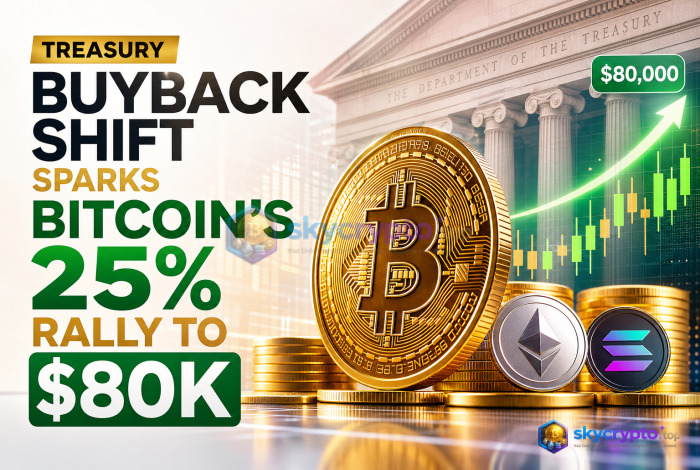
Bitcoin ripped higher this week, climbing 25% in a matter of days to kiss the $80,000 level. The catalyst wasn't a fresh ETF approval or a dovish Fed pivot. It came from the Treasury Department's quiet decision to tweak its buyback program — a mechanical adjustment that yanked 30-year yields off 19-year highs and lit the fuse on a historic short squeeze.
Yield Curve Mechanics Drive Risk Appetite
The Treasury announced it would increase the frequency and size of its buyback operations, targeting off-the-run securities to improve market liquidity. Officials were careful to frame this as routine liability management — not a return to quantitative easing. Bond traders didn't care about the semantics.
Long-duration yields, which had been grinding higher for weeks on deficit fears and sticky inflation data, reversed sharply. The 30-year yield dropped 15 basis points in two sessions. That move rippled across asset classes. Gold popped. Equities bid. And Bitcoin, already coiled tight after a brutal six-week drawdown, exploded.
Shorts Caught in a Vice
Funding rates on perpetual futures had been deeply negative for days. Speculative positioning data from the CFTC showed leveraged funds holding their largest net-short position in Bitcoin futures since 2021. The market was priced for further downside.
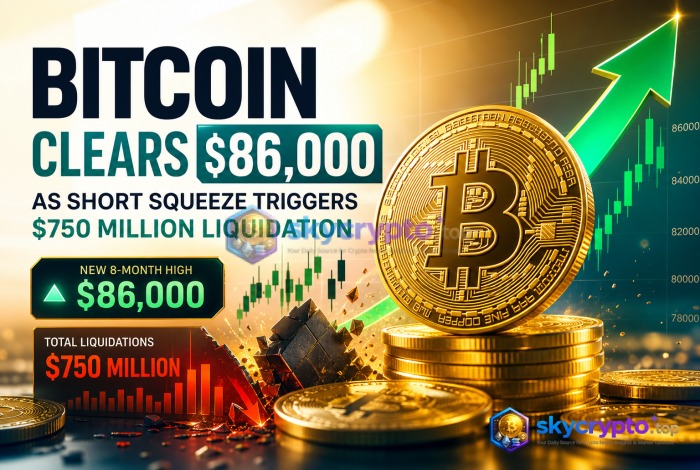
When yields broke, the correlation trade kicked in. Macro funds covering long-bond shorts needed to buy risk assets. Systematic trend followers flipped long. Retail traders chased the breakout. The result: over $1.2 billion in Bitcoin shorts liquidated in 48 hours, the largest two-day flush since the COVID crash.
"This wasn't a fundamental shift in Bitcoin's story," said a portfolio manager at a Chicago-based macro fund. "It was a positioning squeeze amplified by a rates move nobody saw coming. The buyback news was the pin. The short book was the balloon."
Not QE, But Feels Like Liquidity
Strategists at major banks were quick to clarify the distinction. Treasury buybacks swap cash for existing securities. They don't expand the Fed's balance sheet. They don't create new reserves. But in a market starved for duration, the operations absorb supply that would otherwise pressure yields higher.
That distinction matters for the narrative. If this were QE, the dollar would likely weaken broadly. Instead, the dollar index barely budged. The move was isolated to the long end of the curve — exactly where the Treasury targeted its operations.
Still, for Bitcoin, the distinction is academic. The asset trades on the margin as a liquidity barometer. When long-term real yields fall, the opportunity cost of holding non-yielding assets drops. That math hasn't changed.
Technical Damage Repaired, For Now
The rally reclaimed the 50-day moving average near $72,000 and punched through the 200-day at $68,500. Volume surged to three-month highs on spot exchanges. Open interest rebuilt fast — but with a different composition. Shorts were replaced by fresh longs, many of them trend-following CTAs with tight stop-losses.
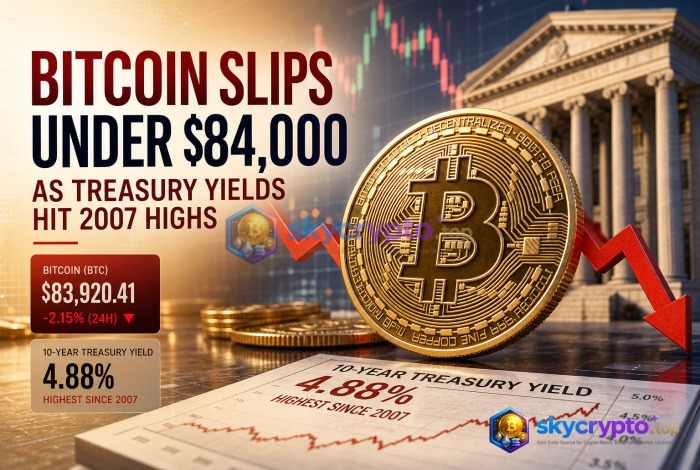
That makes the next leg fragile. A yield backup to 4.75% on the 30-year could trigger another round of forced selling. The Treasury's next buyback announcement is two weeks away. Until then, the market trades on headlines and positioning.
What Traders Are Watching
- 30-year auction demand: Weak bidding could reverse the yield drop instantly.
- Funding rates: A flip to deeply positive signals longs are crowded again.
- Treasury refunding guidance: November's quarterly refunding will reveal if buybacks expand.
- ETF flows: Spot Bitcoin ETFs saw $400M inflows Tuesday — first positive week in a month.
Bottom Line
A technical adjustment to Treasury debt management just delivered the most violent Bitcoin rally of the year. It wasn't about adoption, regulation, or blockchain fundamentals. It was about duration risk, short positioning, and the reflexive relationship between bond yields and risk assets. The move proves Bitcoin still trades like a levered beta play on global liquidity — whether policymakers call it QE or not.
Disclaimer: This article is provided for informational and educational purposes only and does not constitute financial, investment, or trading advice. Digital assets carry significant market risk.




Comments
You must be logged in to post a comment.
Login or Register