

What Is Bitcoin and Why Did It Rise Recently?
\nBitcoin is a digital currency that exists only on computers. Unlike cash, which you keep in a wallet, Bitcoin lives in a public record called a blockchain. Every time someone sends Bitcoin, the transaction is recorded on this ledger, making it hard to cheat. Because it is not controlled by a bank or government, its price can move quickly when people hear news about the economy.
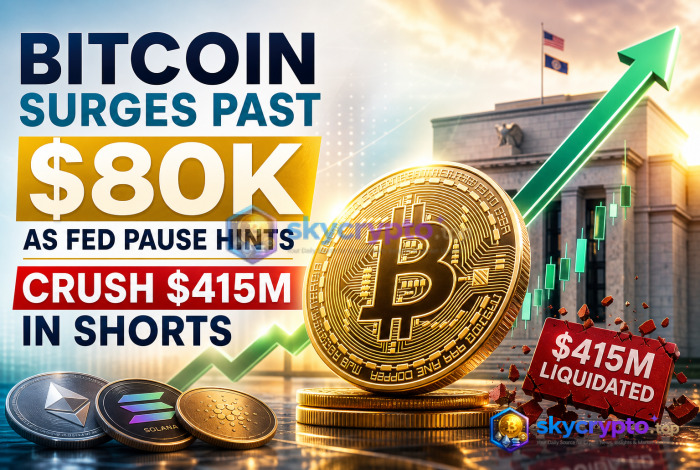
\nOne reason Bitcoin jumped recently is that the United States consumer price index (CPI) fell to its lowest level since 2020. The CPI measures how much prices for everyday items like food, gasoline, and rent change over time. When CPI is low, it suggests inflation is slowing, which can make investors feel safer about putting money into risky assets like Bitcoin. Traders often watch CPI because lower inflation can lead to lower interest rates, making bonds less attractive and pushing some money into cryptocurrencies.
\nIn simple terms, when people think the economy is getting a bit cooler, they sometimes buy Bitcoin hoping its price will go up. At the same time, many traders stay nervous because Bitcoin can fall sharply, especially if they think a move above $64,000 will not hold. This push and pull of hope and fear makes Bitcoin’s price dance a lot.
\nWhat Is the Consumer Price Index and Why Does It Matter?
\nThe Consumer Price Index (CPI) is like a thermometer for the cost of living. Every month, statisticians collect prices for a basket of goods—like milk, movies tickets, and internet service—from all over the country. They compare today's prices to those from a year ago. If the basket costs more, CPI goes up, meaning inflation is high. If it costs less, CPI goes down, showing deflation or slower inflation.
\nA low CPI is good news for borrowers because it often means the central bank may cut interest rates. Lower rates make loans cheaper, which can help the economy grow. For crypto investors, a low CPI can be a signal that the dollar might weaken relative to digital assets. This is why you sometimes see Bitcoin rise when the CPI report shows a surprise decline.
\nImagine the CPI is like a thermostat in a house. When it is set low, the heater (central bank interest rates) can be turned down, making it cheaper to borrow money. When the thermostat goes up, the heater warms up, making borrowing more expensive. Crypto traders watch this thermostat constantly because it influences how much money flows into or out of Bitcoin and other digital currencies.
\nHow Criminals Turn Romance Scams Into Crypto
\nA romance scam, sometimes called a "pig‑butchering" scam, starts when a thief pretends to be a friendly person on a dating app or social media. Over weeks or months, the scammer builds a fake relationship, sharing photos, stories, and eventually asking for money. The victim, believing they love someone, sends cash, often unknowingly sending stolen funds.
\nOnce the scammer has the money, they need to hide it. One popular way is to move the cash into cryptocurrency. Why crypto? Because regular bank transfers leave a paper trail, while crypto can be sent with limited personal information. The scammer might open a crypto wallet—a digital bag where coins are stored—and deposit the stolen money there.
\nTo make the money even harder to track, scammers use cross‑chain swaps. Think of a cross‑chain swap as a secret hand‑off between two different types of digital coins, like turning Bitcoin into Ethereum without a third‑party exchange. By bouncing the money through multiple coins and blockchains, the trail becomes tangled, similar to mixing cash in many pockets before burying it.
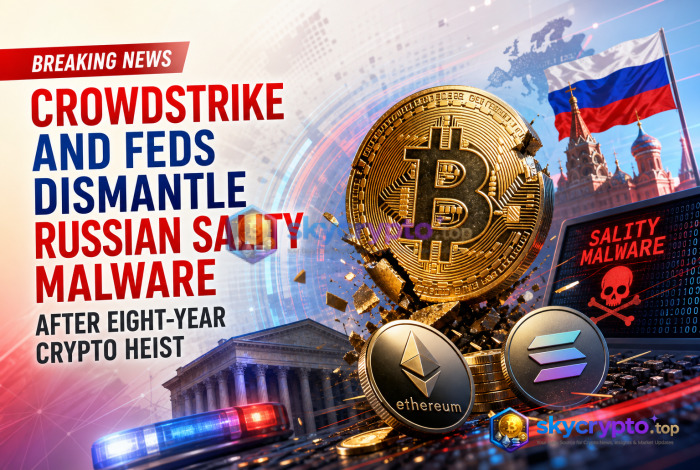
\nInterpol, the global police organization, noticed this pattern and launched Operation First Light 2026. This huge effort involved 97 countries and led to 5,811 arrests. The operation seized about $293 million in illegal assets. It shows how serious authorities take the problem of romance scams and the crypto methods used to hide stolen money.
\nWhat Is a Crypto Wallet?
\nA crypto wallet is simply a computer program that holds public and private keys. The public key is like a bank account number—if you share it, others can send you crypto. The private key is like the password; if you lose it, you lose access to the coins inside. Many wallets are mobile apps, but they can also be web services or hardware devices.
\nWhat Is a Cross‑Chain Swap?
\nA cross‑chain swap lets you exchange one type of crypto for another without using a central exchange. Imagine you have Bitcoin and want Ethereum, but you don't want to sell Bitcoin on an exchange, deposit cash, then buy Ethereum. A cross‑chain swap uses smart contracts on different blockchains to directly trade your Bitcoin for Ethereum, keeping the process fast and often keeping your identity hidden.
\nThese swaps work because developers have created bridges that connect different blockchains. Think of a bridge as a tunnel that lets people walk from one side of a river to the other without having to go around. In crypto, these bridges let value move between networks like Bitcoin, Avalanche, and others, but they also attract scrutiny because criminals love to hide money in the complexity.
\nHow Hyundai Used USDT on Avalanche for Fast Payments
\nHyundai Motor's US and Mexican divisions did a test payment using Tether's USDT stablecoin. USDT is a crypto that is supposed to stay close to the value of the US dollar, making it a reliable digital cash. Instead of sending regular dollars through banks, which can take hours or days, they turned the money into USDT, sent it across the world, and then turned it back into dollars.
\nThe whole process took about seven minutes, compared to the usual three to four hours or more that banks need for cross‑border transfers. Avalanche is the blockchain where USDT was moved. Avalanche works like a super‑fast highway for transactions. Its developers designed it to confirm payments quickly and with low fees, making it attractive for businesses that need real‑time cash movement.
\nTo pull this off, Hyundai used a service called Axiym for settlement, while Hyundai Card designed the overall flow and handled regulatory checks. This pilot shows how stablecoins can make everyday business tasks—like paying a supplier—much faster than the old banking system.
\nJapanese Stablecoin Lending Services and How They Work
\nIn Japan, a company called SBI VC Trade is launching a lending service where customers can lend a yen‑denominated stablecoin called JPYSC. A stablecoin is a crypto that is pegged to a real currency, so JPYSC is meant to be worth about one Japanese yen. People can lend these tokens and earn interest, similar to depositing cash in a bank, but with a higher rate.
\nThe initial annual interest rate offered is 3% on JPYSC lent for 12 weeks. Over the 12‑week period, that translates to about 0.69% gross return before tax. While this might seem small, it is higher than the typical annual rate of 0.325% to 1% that SBI offers for regular yen deposits. However, stablecoins are not protected by deposit insurance and cannot usually be withdrawn early, so lenders must be comfortable with the risk.
\nIn simple terms, you give JPYSC to SBI VC Trade, they keep it for three months, and then they give it back plus a little extra interest. Because the token is tied to the yen, the main risk is that the company might default, not that the currency value will swing wildly as with Bitcoin. This makes it more like a short‑term investment in a finance company rather than a speculative crypto play.
\nWhat Are Bitcoin‑Backed Loans and Why Are They Growing?
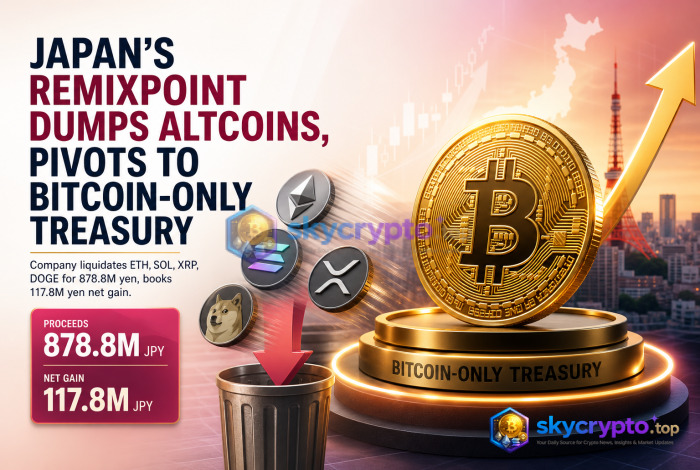
\nA Japanese lender called CRYL started offering loans where borrowers can use Bitcoin as collateral. This means you can receive cash without selling your Bitcoin. The loan can be as large as 1 billion yen (about $6.2 million) and must be repaid with interest. Borrowers need to provide between 40% and 60% of the loan value in Bitcoin, which acts like a security deposit.
\nFor example, if someone wants $5 million, they might need to put up about $2‑$3 million worth of Bitcoin. The loan term is one year, with annual interest rates ranging from 3.5% to 7%. Because the loan is secured by Bitcoin, lenders can offer lower rates than unsecured personal loans. The borrower keeps ownership of the Bitcoin, but the lender can sell it if the borrower defaults.
\nThis product expands a small market that started with Fintertech in 2020, which offered similar Bitcoin‑backed loans up to $3 million. CRYL’s service increases the ceiling and lowers the minimum amount, but it only accepts Bitcoin, not Ether, as collateral. This reflects a cautious approach by lenders who want a widely recognized asset they can easily value and sell if needed.
\nMetaplanet’s Experiment With Bitcoin‑Backed Digital Credit
\nMetaplanet, a Japanese company that focuses on using Bitcoin as a treasury asset, teamed up with stablecoin issuer JPYC and tokenization provider Progmat. They are studying whether Bitcoin can serve as collateral for digital corporate bonds and other credit instruments. The idea is to issue these digital credit products on a blockchain, giving holders 24/7 access, instant settlement, and daily interest accrual.
\nImagine a company wants to raise money without selling its Bitcoin reserves. It could issue a digital bond that investors can buy, using the firm's Bitcoin as backing. Because the bond exists on a blockchain, trades happen instantly, and interest can be paid daily, just like a savings account but with a corporate credit rating.
\nNo product has been launched yet, but the research shows that Bitcoin is moving beyond being just a speculative asset. Companies are exploring ways to turn Bitcoin into a productive part of their balance sheet, similar to how traditional firms use cash or bonds to raise capital.
\nLawson’s Test of Stablecoin Payments in a Convenience Store
\nJapan’s convenience‑store giant Lawson plans to try accepting yen‑denominated stablecoin payments at a Tokyo location in August. The goal is to see if a stablecoin, which is designed to hold a steady value, can fit into the normal checkout flow that customers and cashiers already use.
\nDuring the trial, shoppers will use a non‑custodial wallet provided by HashPort, meaning they control the private keys and the company does not hold their funds. The store will process the payment through HashPort’s point‑of‑sale system, which reads the stablecoin details without the cashier needing to open a crypto wallet. In effect, the checkout looks just like a normal credit‑card swipe, but the money ends up as a stablecoin on the blockchain.
\nThis experiment could pave the way for millions of people to pay for coffee, snacks, or subway tickets using a digital currency that is as stable as the yen. It also shields merchants from the complexity of handling volatile crypto because the stablecoin’s value stays predictable.
\nWhy Bitdeer Built a $36 Million Mining Plant in Nevada
\nBitdeer, a Singapore‑based mining company, announced a $36 million facility in Sparks, Nevada, to produce its SEALMINER Bitcoin mining machines. Mining machines are specialized computers that solve complex math puzzles to add new Bitcoin transactions to the blockchain and earn rewards. Running these machines requires a lot of electricity, so companies often choose locations with cheap power, like Nevada.
\nThe new plant will manufacture key components of the mining hardware, and commercial production is expected to start by the end of the year. This move signals that Bitdeer is expanding beyond merely renting mining power to building the equipment itself, which could reduce costs and improve performance.
\nFor ordinary people, mining hardware is not something they buy for fun; it is a capital‑intensive business. The new facility means Bitdeer can scale up its operations, potentially offering more hashing power to the network and increasing the security of the Bitcoin blockchain.
\nRegulatory Moves in Hong Kong, South Korea, and India
\nHong Kong’s Securities and Futures Commission (SFC) introduced new rules requiring virtual asset trading platforms to use phishing‑resistant authentication. This means platforms must implement strong methods like hardware tokens or biometric verification, and they cannot rely on simple one‑time passwords sent via SMS or email. These changes aim to protect users from fake login pages that steal credentials.
\nSouth Korea’s central bank, the Bank of Korea (BOK), keeps arguing that won‑denominated stablecoins should be issued only through bank‑led consortiums. The BOK also wants a statutory policy body that includes various agencies to oversee the sector. This stance has created tension between regulators and industry groups, slowing down South Korea’s digital asset bill.
\nIndia’s Reserve Bank is leaning toward a total ban on crypto, recommending that banks and financial institutions not engage with crypto firms. This could make it harder for Indian users to access exchanges or stablecoins, but it also highlights the differing approaches countries take toward digital finance.
\nBinance’s Struggle to Get Crypto Licenses in Europe
\nBinance, one of the world’s biggest crypto exchanges, has been trying to get licenses to operate in Europe under the MiCA framework—a unified licensing system for crypto firms across the EU. In June, Binance withdrew its application for a MiCA license in Greece after Greek regulators signaled they might reject it. Binance's co‑CEO Richard Teng said the discussions were still "premature" and did not reveal which other jurisdictions are negotiating.
\nA license is important because it gives an exchange the legal right to serve customers in that region, following rules on money‑laundering prevention, consumer protection, and licensing fees. Without a license, an exchange cannot advertise or accept users from that market, which limits growth and forces firms to change strategies.
\nBinance’s experience shows how regulators are tightening oversight. Even large, well‑known exchanges must navigate complex approval processes, and delays can force them to pull out of certain markets to avoid leaving users in a legal gray zone.
\nTemasek’s Caution and HSBC’s Blockchain Note
\nSingapore’s sovereign wealth fund Temasek suffered a $275 million loss on its FTX investment and has become wary of crypto. A senior fund manager said crypto remains "off the table" for now, though the fund still watches blockchain developments. This reflects how even big institutional investors are rethinking risk after the collapse of a major exchange.
\nHSBC, together with Marketnode, completed a private placement of a "digitally native" USD‑denominated note issued on a blockchain in Hong Kong. This note represents a traditional financial product—essentially a loan that investors can buy—but the entire process, from issuance to settlement, happened on a blockchain, making it faster and more transparent.
\nThese examples show that while many institutions are skeptical of volatile cryptocurrencies, they see value in using blockchain technology for settlement, record‑keeping,, and issuing assets that are still pegged to stable currencies.
\nFuture Trends in Crypto and Stablecoins
\nJapan is set to launch crypto exchange‑traded funds (ETFs) after recent changes to its Financial Instruments and Exchanges Act. ETFs let ordinary investors get exposure to a basket of crypto assets without buying the coins directly, similar to how stock ETFs work. This could open the door for retail investors to participate in crypto markets with familiar investment vehicles.
\nSBI Holdings also formed a new division called SBI Solana Global, focusing on stablecoins, international payments, and real‑world assets (RWAs). This signals that some firms are moving beyond just trading crypto and are looking at integrating blockchain into everyday finance, like cross‑border payments that are faster than traditional systems.
\nOverall, the trend suggests that while speculative crypto like Bitcoin will continue to attract attention, the focus is shifting toward stablecoins, digital credit, and blockchain‑based financial infrastructure that can work with existing banking systems. Consumers may soon see everyday services—like paying for lunch or sending money abroad—being powered by digital tokens that are as stable as the local currency.
\nIn short, crypto is becoming more integrated into everyday finance. From Bitcoin’s price reactions to CPI data, to romance scams that launder money through complex crypto moves, to companies like Hyundai using stablecoins for fast cross‑border payments, the industry is evolving quickly. Japan’s experiments with stablecoin lending, Bitcoin‑backed loans, and digital credit show how regulators and firms are finding new ways to use blockchain while managing risk. At the same time, stricter rules in Hong Kong, South Korea, and India, and challenges for exchanges like Binance, highlight the ongoing tension between innovation and consumer protection. As stablecoins prove they can handle everyday transactions, and as traditional institutions cautiously adopt blockchain, the crypto world appears to be moving toward a more mature, regulated future while still keeping the excitement of a new financial frontier alive.







Comments
You must be logged in to post a comment.
Login or Register